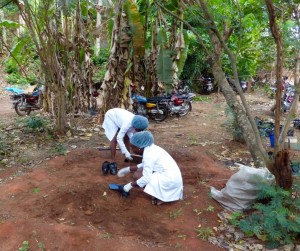
Paxherbals and the Institute of African studies, University of Ibadan, have formed a partnership in transforming the study and teaching of herbal medicine in Nigeria.
This year, the two bodies redesigned a new Masters and PhD curricula on Traditional African Medicine. The curricula have been approved by the University’s curriculum committee and the Institute will soon begin to admit masters and PhD candidates in Traditional African Medicine. This is another milestone in herbal medicine development in Nigeria.
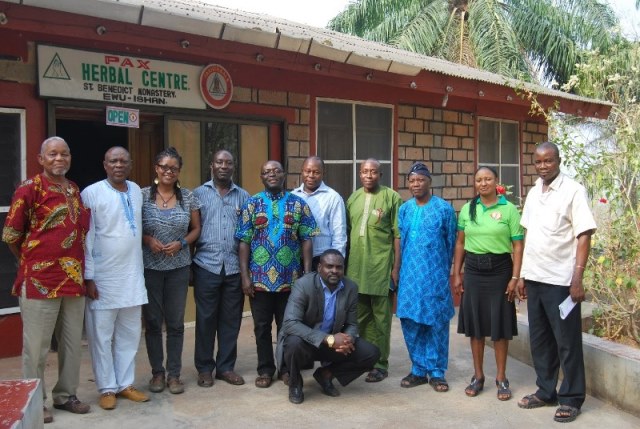
The outgoing director of the institute, Prof. Dele Layiwola, on his visit to Paxherbal laboratories in Edo state, expressed satisfaction at the high level of research commitment at Paxherbals, and encouraged Paxherbals not to relent in their mission of changing the face of traditional medicine in Nigeria.
Coordinator of Traditional medicine program at the Institute of African studies, Dr. Jegede, lamented that herbal medicine is a goldmine that has been neglected for too long, and needs urgent attention in Nigeria.
The Vice chancellor of the University of Ibadan, Prof. Idowu Olayinka, expressed his satisfaction with the research partnership between Paxherbal and the Institute of African studies, and commended the director of Paxherbal. Fr. Anselm Adodo, for his visionary and open minded approach to research and transformative education in Nigeria.
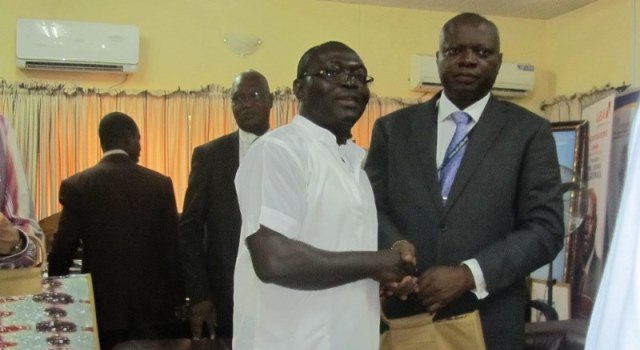
During an official visit to the Vice chancellor in May 2016, Fr. Adodo commended the University of Ibadan for their openness to new ideas. According to him, ‘Higher technical education is increasingly recognized as critical to development, especially with growing awareness of the role of science, technology and innovation in economic growth. Universities and research institutes are well placed to aid development through their involvement with local business industry and society.
Universities and institutions in developing countries can aid development by focusing some of their technical training on specific development needs. Nigerian polytechnics were established precisely to meet the needs for technical training in various fields of expertise in order to hasten development. Unfortunately, the craze for university decrees and the prestige of being labelled a ‘university graduate’ often made polytechnic graduates feel inferior and less valued’.
The director of the institute of African Studies at the university, also commended Fr. Adodo for his central role in the designing of a new post-graduate curriculum called ‘African transformation studies’, which has been approved by the university’s curriculum committee and the post-graduate school. The course aims to equip students with new practical skills in technological and social innovation, so that they can become transformation agents in in their different communities.